

scroll down
Birdwatching in Bale Mountains: Ethiopia’s Avian Paradise
Nestled in Ethiopia’s southeastern highlands, Bale Mountains National Park is a birdwatcher’s paradise. With over 300 bird species, including 16 endemics found nowhere else on Earth, this UNESCO-recognized sanctuary offers unparalleled opportunities to witness rare and vibrant avian life. At Shishilie Tours, we blend expert-guided birdwatching with sustainable travel practices, ensuring your adventure supports conservation and uplifts local communities.
.
Whether you’re a seasoned birder or a nature enthusiast, the Bale Mountains’ diverse ecosystems—from the windswept Sanetti Plateau to the misty Harenna Forest—promise an unforgettable journey. Let’s explore why this park is a global birding hotspot and how Shishilie Tours crafts ethical, immersive experiences.
Why Birdwatch in the Bale Mountains?
The Bale Mountains are a UNESCO-recognized biodiversity hotspot, celebrated for their ecological richness and dramatic landscapes. Spanning Afro-alpine moorlands, cloud forests, and sprawling wetlands, this region is a sanctuary for Ethiopia’s rarest wildlife.
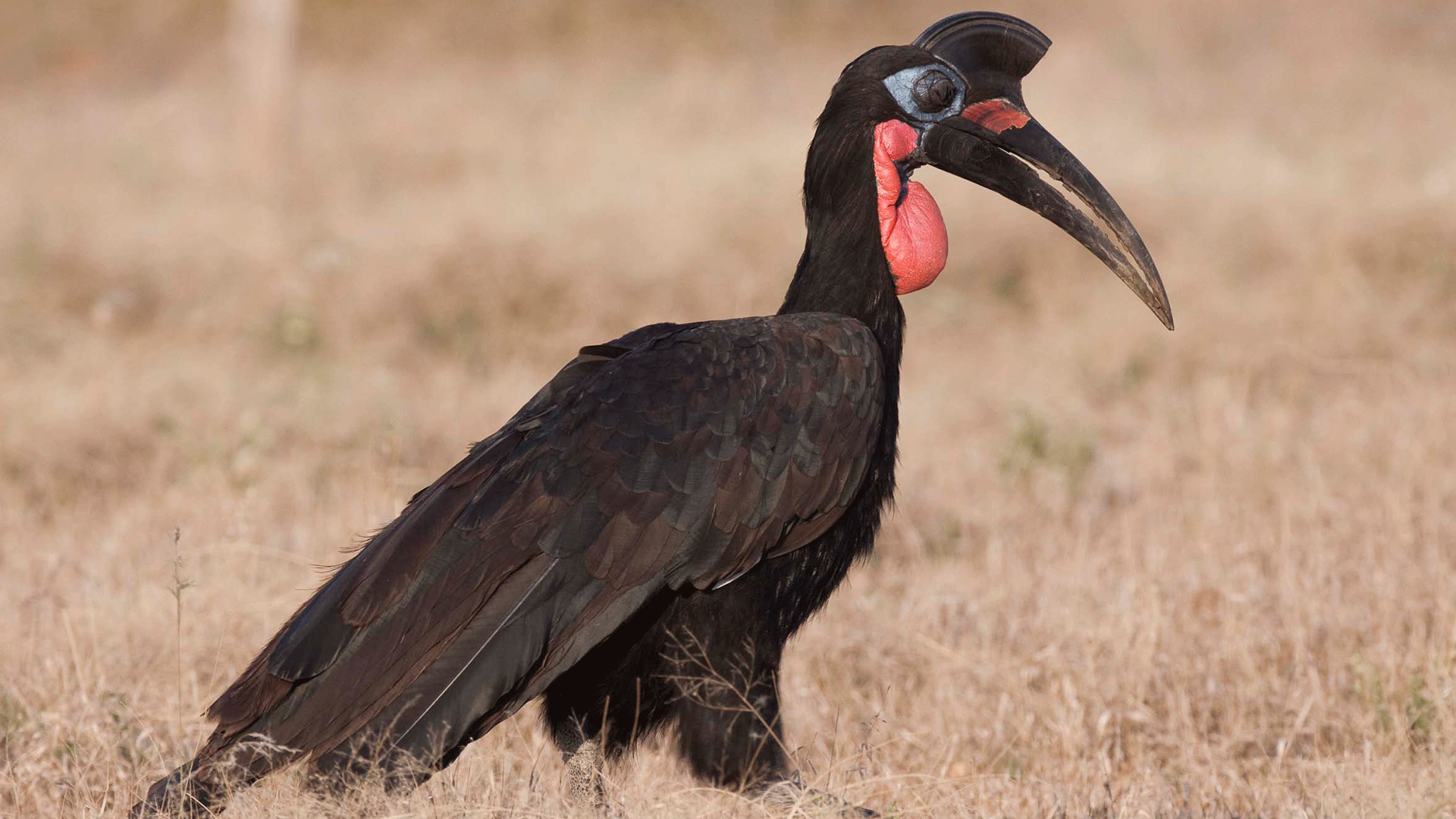
Key Highlights:
- 16 Endemic Birds: Over half of Ethiopia’s unique species thrive here, including the iconic Wattled Crane.
- Year-Round Birding: Migratory species join residents in the dry season (Oct–Mar), while nesting endemics dominate the lush wet season (Jun–Sep).
- Diverse Habitats: From 4,000m moorlands to lowland forests, each zone hosts distinct species.
Ethiopia’s Endemic Birds: A Symphony of Feathers
Wattled Crane (Bugeranus carunculatus)
Africa’s rarest crane, the Wattled Crane, is a flagship species of the Bale Mountains. With fewer than 8,000 individuals remaining globally, spotting this elegant bird in the Goba Valley wetlands or Sanetti Plateau is a privilege.
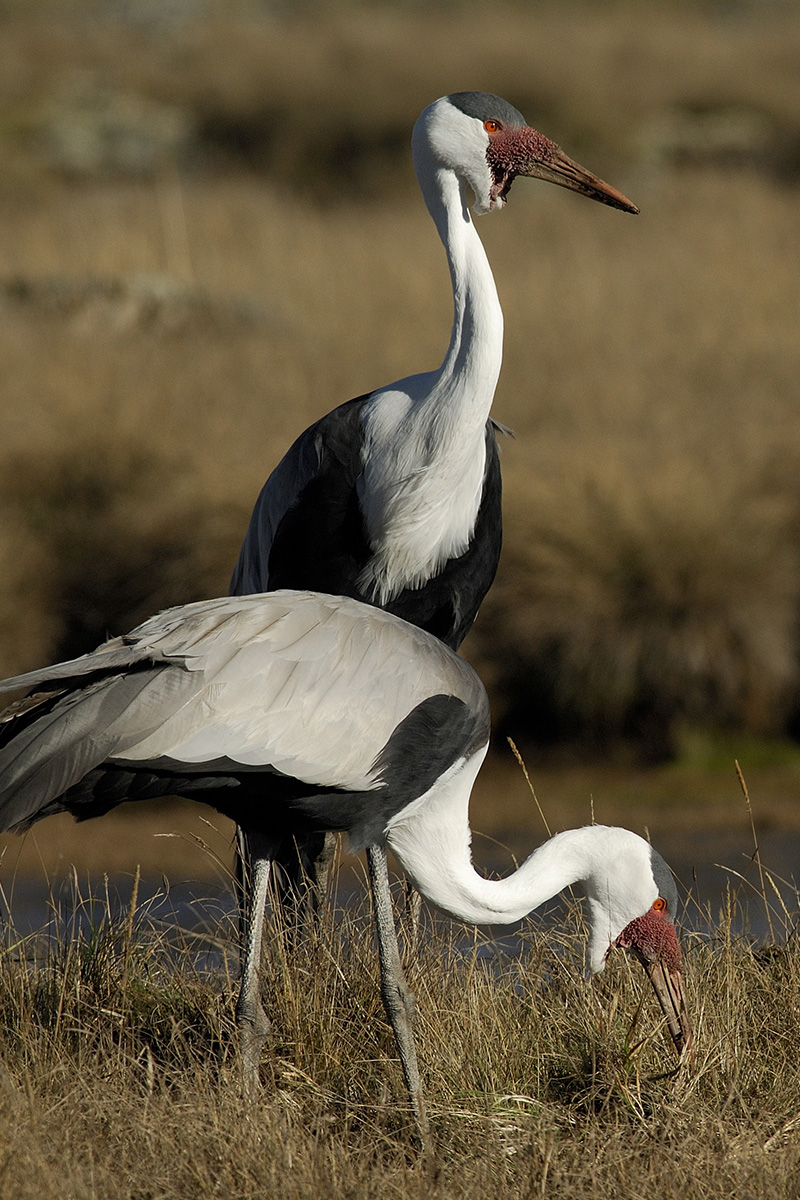
Quick Facts:
- Status: Critically Endangered.
- Habitat: Wetlands and alpine grasslands.
- ID Tips: Red facial skin, white neck, and distinctive wattles.
Best Time to Spot: Early mornings during the dry season.
2. Rouget’s Rail (Rougetius rougetii)
A highland specialist, Rouget’s Rail is endemic to Ethiopia’s alpine grasslands. Its piercing “kreek-kreek” call echoes across moorlands at dawn, guiding birders to its habitat near streams and marshes.
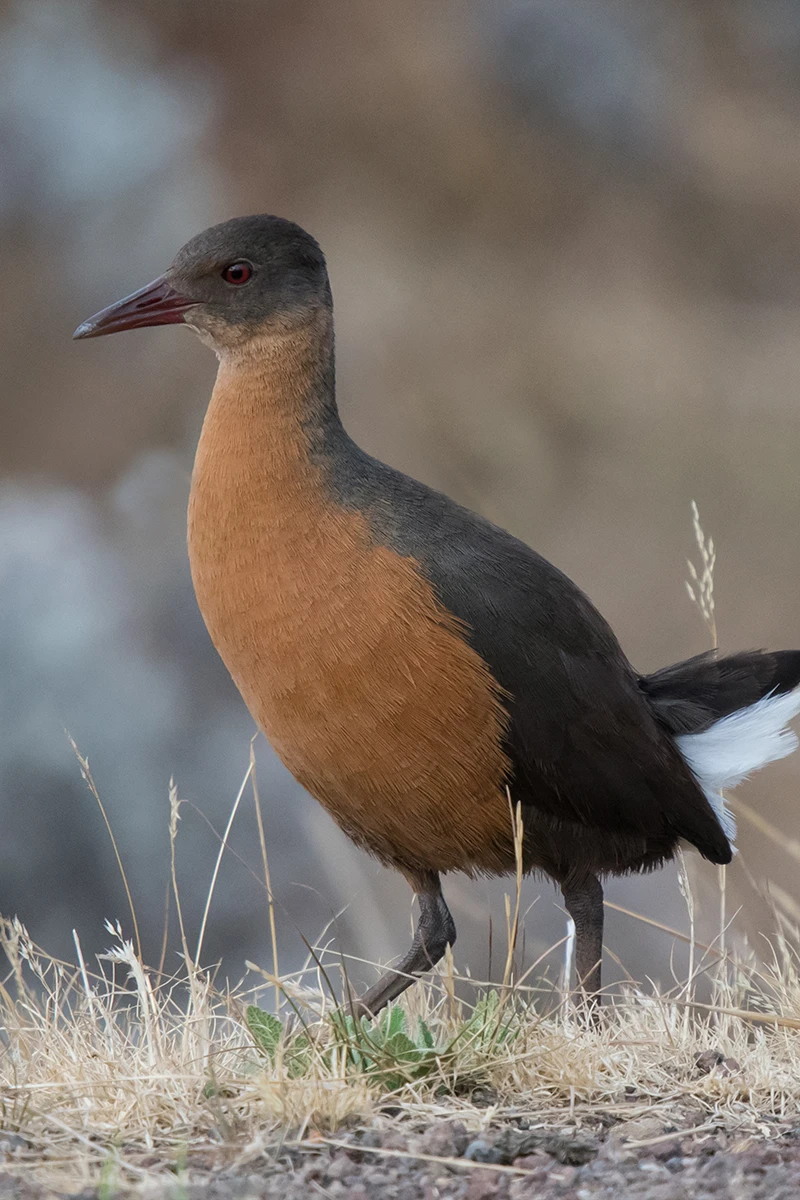
Quick Facts:
- Status: Near Threatened.
- Habitat: Grassy moorlands near water.
- ID Tips: Russet legs and barred flanks.
Top Birdwatching Zones in Bale Mountains
1. Sanetti Plateau: Realm of the High-Flyers
Rising to 4,000 meters, the Sanetti Plateau is the largest Afro-alpine ecosystem on Earth. This windswept expanse is a haven for raptors like the Golden Eagle, which soars above herds of Giant Mole Rats—a key prey species for the endangered Ethiopian wolf.

Key Species to Spot:
- Golden Eagle
- Moorland Francolin
- Spot-breasted Lapwing
Shishilie Tours’ Experience:
- Sunrise Safaris: Track Ethiopian wolves while birds forage in the moorlands.
- Camping Add-On: Spend a night at our eco-campsite for nocturnal bird calls.
Ethical Birdwatching with Shishilie Tours
At Shishilie Tours, sustainability is woven into every expedition. We prioritize low-impact practices to protect fragile ecosystems while fostering community partnerships.
Our Commitments:
- Low-Impact Practices:
- Binoculars provided to minimize disturbance.
- Small group sizes (max 6 travelers).
- Community Empowerment:
- 10% of tour fees fund school scholarships in Dinsho.
- Local guides from Oromo communities lead all trips.